

A viral rescue at Seabright State Beach demonstrates how quickly ocean conditions can change and why trained lifeguards, preparation, and respect for the water remain essential.
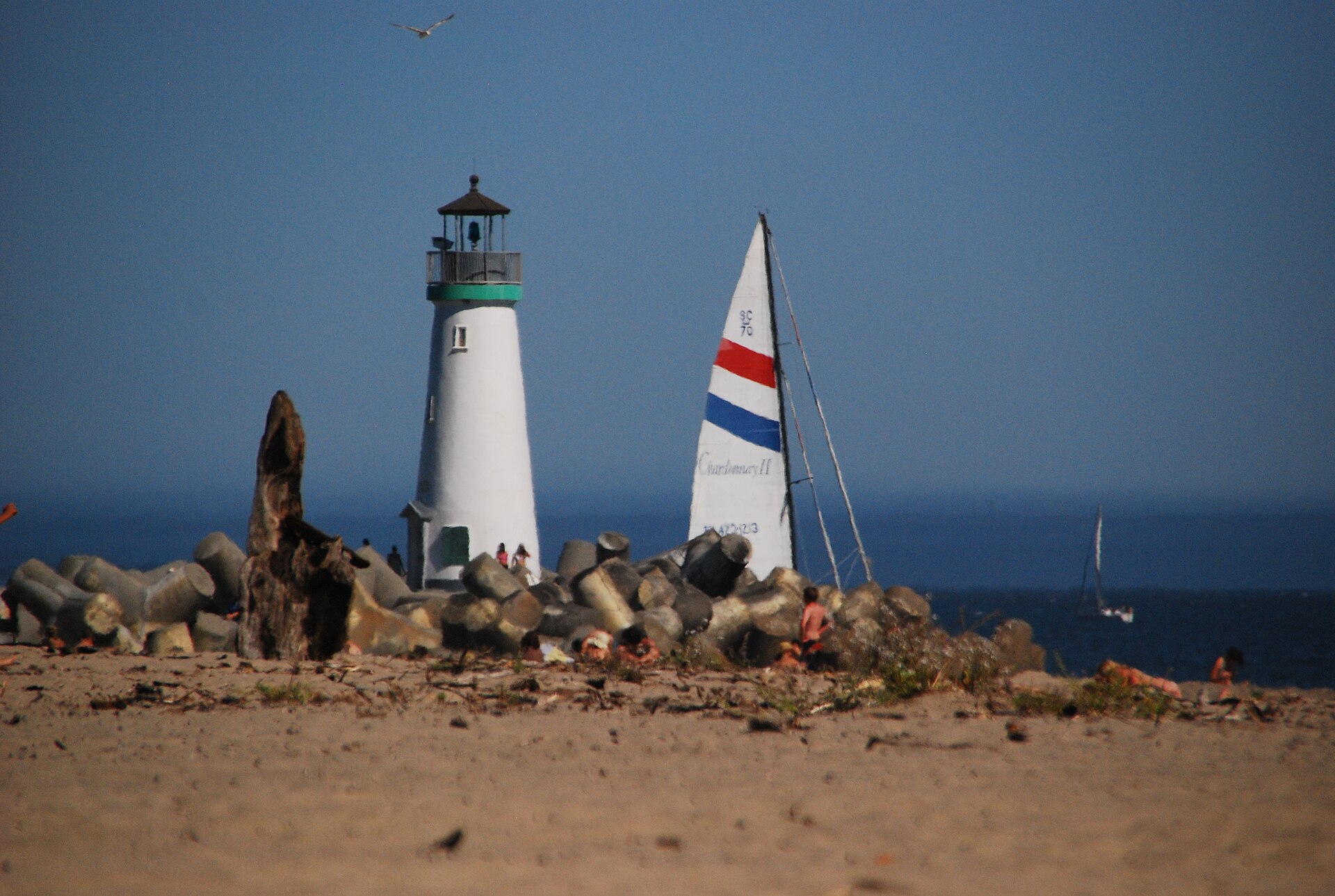
Seabright Beach in Santa Cruz, California. File photo by Josta Photo via Wikimedia Commons , licensed under CC BY 2.0 . Cropped from the original.
A day at the beach can change in seconds.
That became frighteningly clear at Seabright State Beach in Santa Cruz when a young boy was knocked down and swept into the Pacific Ocean as powerful waves suddenly surged toward shore.
The boy was carried approximately 15 yards offshore as the surf intensified. A California State Parks lifeguard immediately ran into the water, reached the child, and held onto him while wave after wave crashed over them.
The lifeguard was not a veteran with decades of experience. He was 16-year-old Ryder Williams, a high school student working his first summer as a professional lifeguard.
Video of the rescue shows Ryder refusing to release the boy, even as massive waves repeatedly submerged and tossed them through the turbulent water. A second lifeguard eventually reached the pair and helped bring the child safely back to shore.
The boy was evaluated after the rescue and reportedly did not suffer serious injuries.
A Routine Beach Day Turned Dangerous Without Warning
Local photographer Scott Vander Dussen captured the rescue on video.
According to Vander Dussen, the ocean had not appeared completely calm, but the waves initially followed a relatively normal pattern. Then the conditions changed almost instantly.
A large wave knocked the child off balance and pulled him farther into the water. Ryder saw that the boy was in trouble and reacted immediately.
Footage shows Ryder reaching the child and holding him against his body as the two disappear beneath several waves. The child appeared to be losing strength, making it even more important that Ryder maintain his grip.
Several adults attempted to enter the water and assist, but the surf pushed them back. Ryder continued protecting the child until another trained lifeguard was able to reach them.
The dramatic footage quickly spread across Instagram, TikTok, X, television news, and other platforms. It eventually attracted national attention and an announcement that Ryder and his family could be invited to the White House so he could be formally recognized.
It Was the First Rescue of His Lifeguarding Career
The rescue becomes even more remarkable when Ryder’s experience level is considered.
This was his first summer working as a California State Parks lifeguard, and the rescue captured on camera was reportedly the first of his professional career.
However, he was far from unprepared.
Ryder learned to swim at an early age and grew up surfing and boogie boarding with his family. He later became a competitive water polo player and spent years participating in junior lifeguard training before completing the California State Parks lifeguard academy.
That background gave him the physical ability, water awareness, and composure required to function in conditions that drove other adults back toward shore.
Ryder later told his father that he knew he could not release the child because the boy might not survive if he did.
His father, retired firefighter Shane Williams, said Ryder did not understand why the rescue was receiving so much attention. From Ryder’s perspective, he had simply performed the job he had been trained to do.
The Viral Rescue Was Not His Only Save That Day
The rescue captured on video was only part of Ryder’s day.
Not long afterward, Ryder assisted in another rescue involving two people who became distressed in the water. His family described the later incident as even more difficult than the one shown in the viral footage.
There was no widely shared video of the second rescue, which illustrates an important reality about lifeguarding. Most rescues never become national news.
Lifeguards routinely identify dangerous situations, warn beachgoers, assist struggling swimmers, reunite children with parents, administer first aid, and intervene before an emergency becomes fatal.
During the weekend of Ryder’s rescue, lifeguards in the California State Parks Santa Cruz District reportedly performed 34 rescues and made more than 5,000 preventative contacts with beach visitors. Those preventative warnings may have kept many additional people from entering dangerous situations.
Why the Santa Cruz Surf Became So Dangerous
The rescue occurred during a period of unusually hazardous ocean conditions along parts of the California coast.
Long-period swells generated far from shore can arrive with substantial energy, even when the weather at the beach appears sunny or relatively calm. Sets may be separated by long pauses, causing visitors to underestimate the size and strength of the next group of waves.
The National Weather Service warned that the swell affecting Northern Monterey Bay could produce strong rip currents, sneaker waves, large breaking waves, and surf reaching approximately 10 feet at some south-facing and southwest-facing beaches.
A sneaker wave is especially dangerous because it can travel significantly farther up the beach than the waves preceding it. It can knock down beachgoers, pull children into the water, wash over rocks, and catch people who believe they are standing a safe distance from the surf.
The National Weather Service advises visitors to remain away from jetties, rocks, piers, and other shoreline structures during hazardous conditions and never turn their backs on the ocean.
What Surfers and Beachgoers Can Learn From the Rescue
Experienced surfers understand that wave height is only one part of evaluating ocean conditions.
Wave period, swell direction, tides, currents, wind, shoreline shape, submerged rocks, sandbars, and the experience of the person entering the water can all affect risk.
A beach that was manageable yesterday may be completely different today. Conditions can also change during a single surf session.
Before entering the water:
- Check National Weather Service beach hazard statements.
- Look for posted warnings and beach closures.
- Speak with the lifeguard on duty.
- Observe several complete wave sets before paddling out.
- Identify currents, rocks, channels, and safe exit points.
- Avoid assuming that other people in the water mean conditions are safe.
- Keep children within immediate reach near the shoreline.
- Never enter dangerous surf to attempt a rescue without the proper training and equipment.
The adults who tried to assist Ryder appeared to have good intentions, but the waves quickly pushed them back. An untrained rescuer can become another person the lifeguards must save.
When someone is in trouble, alert a lifeguard, call emergency services, throw a flotation device when one is available, and follow the directions of trained responders.
Ryder’s Rescue Shows the Value of Preparation
The viral video lasts only a short time, but the ability Ryder displayed was developed over many years.
Swimming, surfing, water polo, junior lifeguard programs, formal academy training, and repeated exposure to the ocean all contributed to his response.
When the emergency occurred, there was no time to begin learning. Ryder had to rely on skills and habits he had already practiced.
That lesson applies far beyond the beach.
Young people develop confidence by repeatedly being challenged in safe, structured environments. Athletics, volunteer work, first-aid instruction, academic programs, and community service can teach teenagers how to listen, evaluate information, solve problems, and remain composed when circumstances become difficult.
For example, structured writing classes for students in Fremont can help young people strengthen critical thinking, organization, attention to detail, and clear communication. Those abilities may appear academic, but they also affect how students explain problems, follow complex instructions, advocate for themselves, and make thoughtful decisions.
No single class or activity prepares a teenager for every emergency. However, consistent training helps young people become more capable, observant, and confident when responsibility is placed in their hands. Simon Academics provides K-12 writing instruction focusing on grammar, organization, vocabulary, persuasive writing, and critical thinking.
Young People Can Handle Serious Responsibility
Ryder’s age has been emphasized in nearly every report about the rescue. That is understandable. Watching a 16-year-old battle enormous waves while protecting a child is extraordinary.
However, focusing exclusively on his age can obscure the larger lesson.
Teenagers can accept meaningful responsibility when they receive appropriate training, support, standards, and opportunities to prove themselves.
Junior lifeguard programs provide an especially powerful example. Participants learn swimming, ocean awareness, physical conditioning, rescue techniques, teamwork, leadership, and respect for environmental conditions.
These programs are not merely summer activities. They can establish habits and abilities that remain with participants throughout their lives.
Ryder’s response was brave, but it was not impulsive. He entered the water because he was the trained lifeguard on duty. Once he reached the child, he followed through despite the danger and physical punishment of the surf.
Respect the Ocean, Even When Conditions Look Manageable
The ocean does not need to look enormous to be dangerous.
A beach may appear inviting while strong currents move beneath the surface. A relatively quiet period can be followed by a much larger wave set. Water moving around rocks, piers, jetties, and steep shorelines can also behave unpredictably.
Surfers generally develop a healthy respect for these changes through experience. The goal is not to fear the ocean, but to recognize that enjoyment and caution must coexist.
The Seabright rescue should remind surfers and beachgoers to:
- Check the forecast before leaving home.
- Respect warnings issued by lifeguards.
- Avoid entering water beyond their abilities.
- Closely supervise children near the shoreline.
- Leave the water when conditions begin deteriorating.
- Never assume the largest wave has already passed.
- Give lifeguards the space necessary to perform a rescue.
A decision to wait for another day is not cowardice. In surfing, knowing when not to paddle out can be as important as knowing how to catch a wave.
A Hero Who Believed He Was Simply Doing His Job
Ryder Williams is receiving nationwide praise because the video allowed millions of people to witness what lifeguards are routinely trained to do.
Yet his reaction may be one of the most impressive parts of the story.
He did not appear interested in social media fame or personal attention. According to his father, Ryder believed another trained lifeguard would have done the same thing.
That humility should not diminish what happened at Seabright State Beach.
A 16-year-old rookie lifeguard saw a child being swept into dangerous surf. He entered the water without hesitation, reached the boy, held onto him through repeated waves, and stayed with him until help arrived.
A young boy returned home safely because Ryder was watching, prepared, and willing to act.
For surfers, swimmers, parents, and anyone who spends time near the coast, his rescue offers a powerful reminder: respect the water, pay attention to changing conditions, and never underestimate the importance of trained lifeguards.
Surf and weather conditions can change rapidly. Consult local lifeguards, official beach advisories, and National Weather Service forecasts before entering the ocean.
 Become A Sponsor!
If you have a product or service that is a good fit for our surf community, we have opportunities for you to sponsor this blog! Download our media kit now!